For Students
Real ways for Boulder students to learn, help, and make a difference.


You can make a real impact.
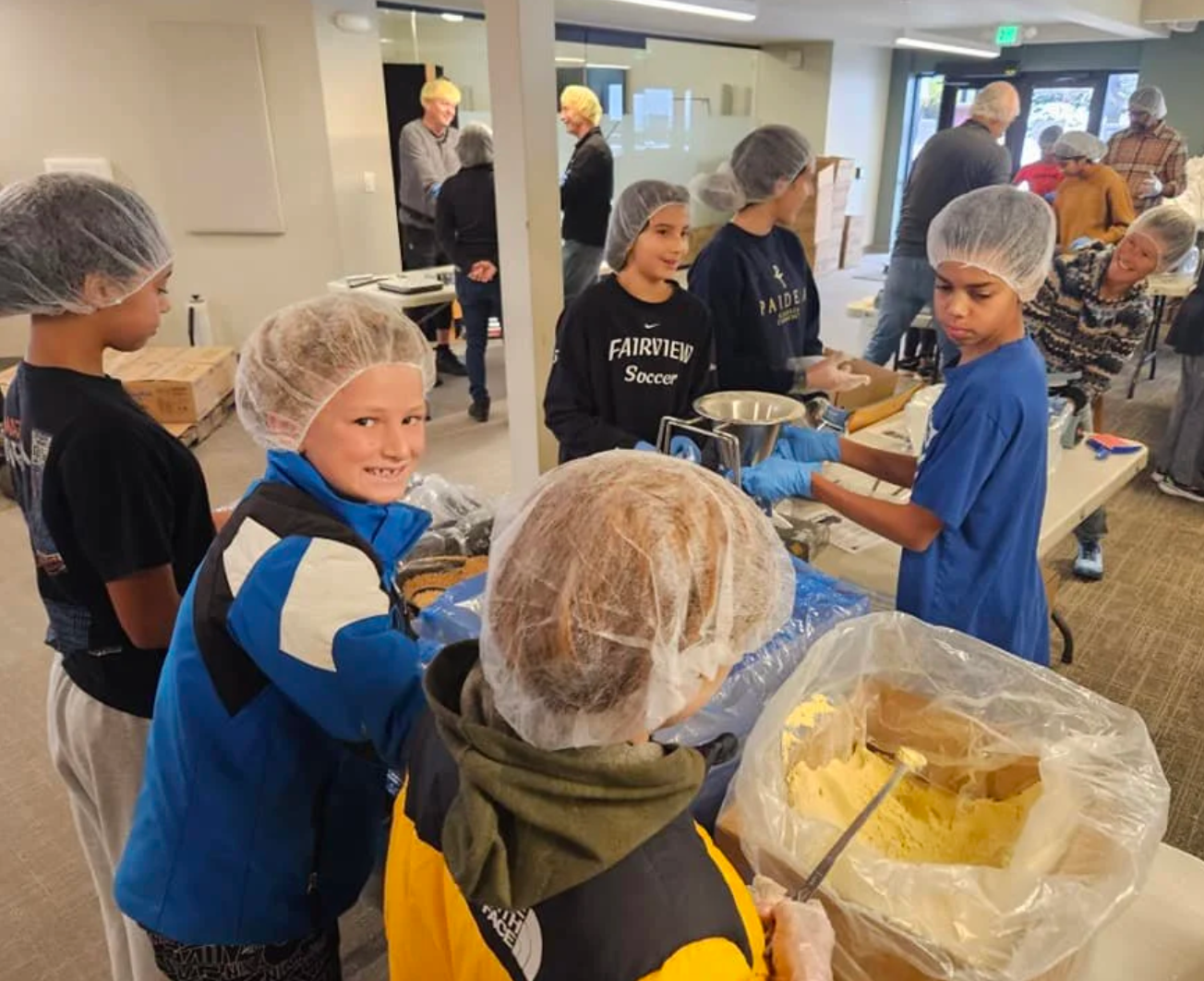
You don't need to be an adult to help. Boulder has meaningful opportunities for students of all ages — from volunteering at meal distributions to organizing drives at your school.
Volunteer
-
Circle of Love — One of the most teen-friendly organizations in Boulder. Help prepare and serve free meals at the Boulder Bandshell. No formal training required, teens welcome.
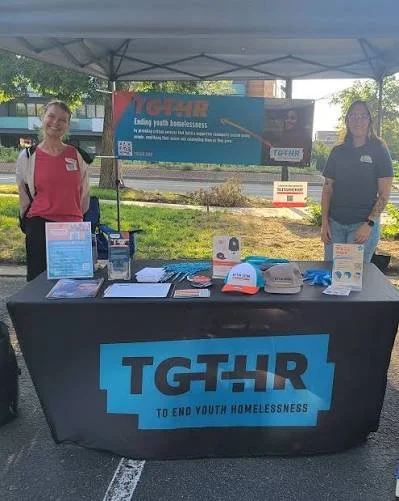
📍 Boulder Bandshell | Mon, Wed, Fri at 12:15pm | circleoflove.orgTGTHR — Supports youth ages 12–24 experiencing homelessness. Contact them directly to ask about current teen volunteer opportunities.
📞 303-447-1207 | tgthryouth.orgEFAA — Food bank volunteer opportunities. Contact them to ask about current age requirements and availability.
📞 303-442-3042 | efaa.orgCommunity Food Share — Food sorting and distribution volunteers needed. Check their website for teen volunteer policies.
communityfoodshare.orgAlways call or email before showing up. Requirements and availability change.
-
Most Boulder organizations will sign off on service hours for school requirements. Here's how to make it official:
Before you volunteer:
Confirm with the organization that they can verify your hours
Ask who to contact for documentation
Bring any forms your school requires on your first visit
Tracking your hours:
Keep a simple log with the date, organization name, hours served, and a contact name. Most organizations will sign a timesheet or write a verification letter on request.Organizations that regularly verify student hours:
Circle of Love, EFAA, Community Food Share, TGTHR -
Organizing a drive is one of the highest-impact things a student can do. Here's how to do it well:
Step 1: Pick one organization and call them first
Ask what they actually need right now. Don't assume — needs change by season and week.Step 2: Get school approval
Talk to your teacher, club advisor, or principal. Most schools are happy to support community drives.Step 3: Set a specific goal
"100 pairs of socks by Friday" works better than "donate anything." Specific goals drive more participation.Step 4: Promote it
Use announcements, posters, social media, and word of mouth. Tell people exactly what's needed and where to drop it off.Step 5: Drop off directly
Deliver donations directly to the organization rather than leaving items unattended.Most needed items for drives:
Socks, underwear, hygiene products, handwarmers, non-perishable snacks, and bus passes. -
BoulderNextStep started as a student project. Here are ideas for turning your interest into something lasting:
Club project ideas:
Semester-long partnership with one local organization
Monthly donation drive with a different theme each month
Awareness campaign about homelessness in Boulder for your school community
Student volunteer recruitment — get your friends involved
Class project ideas:
Research paper on Boulder's homelessness strategy
Data analysis of Boulder County homelessness statistics
Presentation to your class or school on local resources
Interview a local nonprofit leader for a journalism or communications class
How to get started:
Pick one idea, find one adult supporter at your school, and start small. One consistent project is more valuable than five unfinished ones. -
The words we use matter. Here are some guidelines for talking and writing about homelessness respectfully:
Use person-first language:
Say "person experiencing homelessness" rather than "homeless person." It puts the person before their situation.Avoid stereotypes:
Not everyone experiencing homelessness has the same story. Avoid assumptions about substance use, mental health, or choices.Don't share photos without consent:
Never photograph or film someone experiencing homelessness without their explicit permission — even for a school project or social media post.Talk about systems, not just individuals:
Homelessness is caused by complex factors including housing costs, mental health access, job loss, and more. Avoid framing it as a personal failure.When in doubt:
Ask yourself — would I want to be talked about this way?
Learn
-
Boulder has made progress on chronic homelessness but significant challenges remain.
Key facts:
Boulder County uses a Coordinated Entry system — anyone seeking shelter must go through a single assessment process first
The city has a Homeless Outreach Team (HOT) focused on connecting people with services rather than enforcement
Youth homelessness is a specific focus — TGTHR serves young people ages 12–24
A shortage of deeply affordable housing and behavioral health services are the biggest remaining gaps according to the City of Boulder's 2025 strategy update
For more information:
Visit the City of Boulder's homelessness resources page at bouldercolorado.gov -
Myth: Everyone experiencing homelessness chose to be there.
Fact: Most people experiencing homelessness are dealing with a combination of factors including job loss, medical debt, mental health challenges, domestic violence, or housing costs — not personal choice.Myth: Giving someone money makes things worse.
Fact: Research is mixed on this. Many advocates say giving directly to people is fine. The most important thing is that local services exist and are funded.Myth: Boulder's homeless population is mostly people from other places.
Fact: Boulder prioritizes services for people with local ties. The city's strategy focuses on helping Boulder County residents and using diversion services to help non-residents find resources closer to home.Myth: There's nothing a student can do.
Fact: Students can volunteer, organize drives, raise awareness, and build lasting community projects — like this one. -
Youth homelessness looks different from adult homelessness. Most young people don't end up on the streets by choice — they're pushed out or forced out of situations that should have been safe.
Common causes of youth homelessness:
Family breakdown — The most common cause. A parent loses a job, gets sick, or the family loses housing. Teens sometimes end up without a place to go through no fault of their own.
Family conflict or rejection — LGBTQ+ youth are significantly overrepresented in the homeless youth population. Many are asked to leave or feel unsafe at home after coming out.
Aging out of foster care — Young people who turn 18 in the foster care system often lose their housing and support overnight with nowhere to go.
Domestic violence — Teens fleeing abuse at home sometimes end up without safe housing.
Mental health crises — Untreated mental health conditions can make it impossible to maintain stable housing, school, or relationships.
What makes it hard to get help:
Many youth don't identify as "homeless" — they're couch surfing, staying with friends, or sleeping in cars. They often don't know what resources exist or don't trust adults enough to ask.In Boulder:
TGTHR specifically serves young people ages 12–24 experiencing homelessness. They provide outreach, housing, food, counseling, and employment help.
📞 303-447-1207 | tgthryouth.org -
If you've ever wondered why someone experiencing homelessness can't just walk into a shelter and get a bed — Coordinated Entry is the answer.
What it is:
Coordinated Entry is a system used across Boulder County to match people experiencing homelessness with the right services. Instead of showing up at different organizations and hoping for help, everyone goes through one central assessment first.How it works:
A person calls or walks in to the Coordinated Entry point — in Boulder that's All Roads Shelter at 4869 N. Broadway
They complete a short assessment that measures their vulnerability and housing needs
Based on that assessment they're matched with the most appropriate services — emergency shelter, transitional housing, rapid rehousing, or permanent supportive housing
They're placed on a list and connected with a case manager
Why it exists:
Before Coordinated Entry systems existed, people would show up at multiple shelters, get turned away, and fall through the cracks. Coordinated Entry makes sure the most vulnerable people get help first and that resources are used efficiently.The limitation:
There aren't enough shelter beds or affordable housing units to serve everyone in the system. Getting assessed doesn't guarantee immediate housing — it guarantees you're in the system and being worked with.In Boulder:
📞 303-579-4404 | Mon–Fri, 9am–3pm
📍 4869 N. Broadway, Boulder -
Most people assume homelessness is simple to fix — just give someone a house. The reality is more complicated. Here's why it's hard, and what research shows actually works.
The core problem: not enough housing
Boulder and most American cities don't have enough deeply affordable housing. Even when someone is ready and motivated to get housed, there often isn't a unit available at a price they can afford. You can't solve homelessness without building more affordable housing — everything else is a bridge.What actually works:
Housing First
The most evidence-backed approach. Instead of requiring people to get sober, employed, or mentally stable before getting housing, Housing First provides stable housing immediately and wraps services around people once they're housed. Research consistently shows better long-term outcomes than shelter-first approaches. Boulder's strategy incorporates Housing First principles.Coordinated Entry
When well-resourced, Coordinated Entry systems reduce the time people spend homeless and ensure the most vulnerable get help first. The system only works if there are enough housing units and services available — which is the ongoing challenge.Outreach teams
Studies show dedicated outreach workers — rather than police — are more effective at connecting people with services. Boulder's Homeless Outreach Team and Behavioral Health Crisis Response Team reflect this approach.What doesn't work:
Simply moving people along — sweeping encampments without connecting people to services — doesn't reduce homelessness. Research consistently shows this approach is expensive and ineffective long-term. It just moves the problem somewhere else.The bottom line:
Housing solves homelessness. Everything else is a bridge to get there. The hard part is building enough of it at a price people can afford.
Key Contacts for Students
School counselors: Talk to a Boulder High counselor if you want help finding service opportunities or need support yourself.
TGTHR: If you or someone you know under 24 needs help.
303-447-1207 | tgthryouth.org
Mental health crisis: Call or text 988 — available 24/7, any reason, no insurance needed.
BoulderNextStep: info@boulderNextsteps.org
Emergency: 911